
Highlights :-

Dr. Sudesh Lahane is a highly skilled General Surgeon practicing in Navi Mumbai, Maharashtra, known for his patient-focused approach and surgical excellence.

With over 11+ years of experience and 1600+ successful surgeries, he specializes in laparoscopic and minimally invasive procedures for faster recovery.

He offers advanced treatments including laser surgery for piles, fissure, fistula, varicose veins, and comprehensive care for hernia and abdominal conditions.

Dr. Lahane has successfully performed rare high-risk surgeries, including removal of a 24 kg abdominal tumor and an 11 kg GIST tumor, recognized in media.

Dr. Sudesh Lahane is a highly skilled General Surgeon practicing in Navi Mumbai, Maharashtra, known for his patient-focused approach and surgical excellence.

With over 11+ years of experience and 1600+ successful surgeries, he specializes in laparoscopic and minimally invasive procedures for faster recovery.

He offers advanced treatments including laser surgery for piles, fissure, fistula, varicose veins, and comprehensive care for hernia and abdominal conditions.

Dr. Lahane has successfully performed rare high-risk surgeries, including removal of a 24 kg abdominal tumor and an 11 kg GIST tumor, recognized in media.

Lap Cholecystectomy

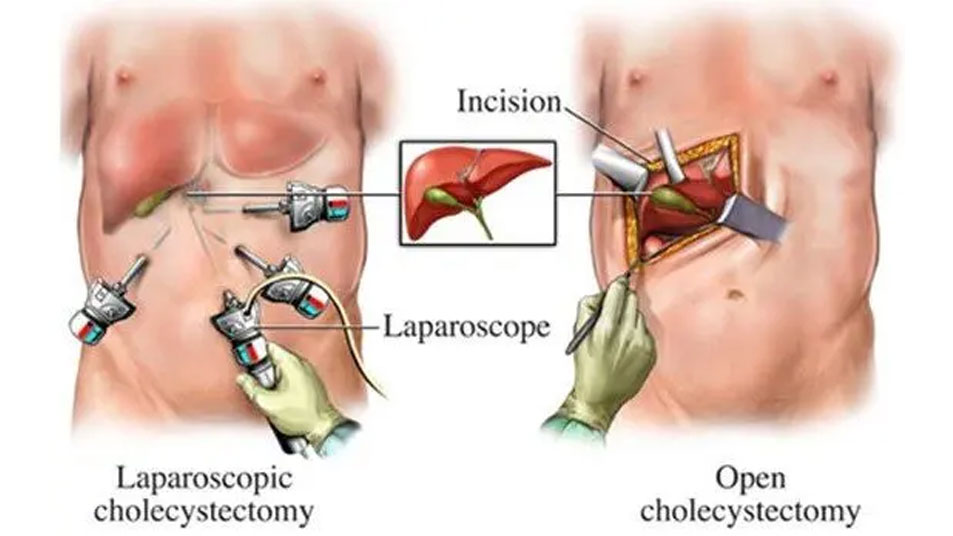
Laparoscopic Cholecystectomy is a minimally invasive surgical procedure used to remove the gallbladder, usually due to gallstones (cholelithiasis) or gallbladder inflammation. Instead of a large incision, the surgeon makes 3–4 small cuts in the abdomen and uses a camera (laparoscope) along with specialized instruments to safely remove the gallbladder. This technique is widely preferred because it offers less pain, quicker recovery, minimal scarring, and shorter hospital stay compared to open surgery.

Indications (Why the Surgery is Done)
  • Symptomatic gallstones (pain in upper abdomen, especially after fatty meals)
  • Acute or chronic cholecystitis (gallbladder infection/inflammation)
  • Gallbladder polyps or dysfunction
  • Complications like pancreatitis caused by gallstones
  • Biliary colic (recurrent pain episodes)
Procedure Details
  • Performed under general anesthesia
  • Small incisions are made (usually near the navel and upper abdomen)
  • Carbon dioxide gas is used to inflate the abdomen for better visibility
  • A camera (laparoscope) is inserted to guide the surgery
  • The gallbladder is carefully separated and removed
  • Incisions are closed with sutures or staples
Advantages of Laparoscopic Approach
  • Smaller cuts → minimal scarring
  • Less postoperative pain
  • Faster recovery (return to normal activity within 3–5 days)
  • Short hospital stay (often same-day or 1-day discharge)
  • Lower risk of complications compared to open surgery